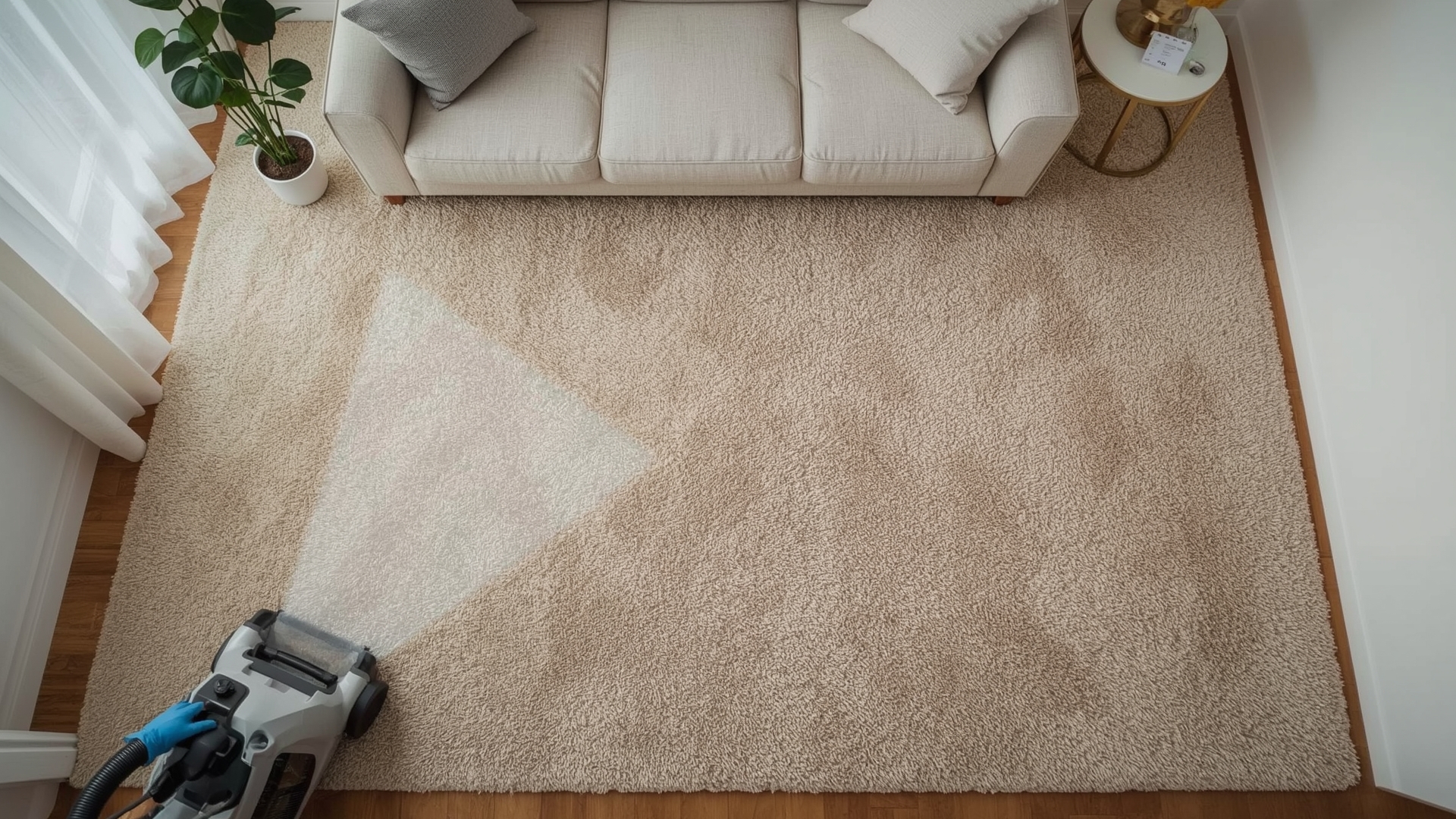
Heavily soiled commercial carpet doesn’t fail overnight. It gets there through months of skipped maintenance, under-powered vacuuming, and reactive spot cleaning that never addresses the root problem. By the time a facility manager calls for a deep clean, the carpet may be holding years of compacted soil, dried spills, tracked-in oils, and biological residue.
Getting that carpet back requires more than running a hot-water extraction machine over it once. You need a sequenced restoration process that addresses soil type, fiber condition, and traffic zone severity — in the right order. This guide walks through each step, from pre-inspection to final dry testing, including when the honest answer is recommending replacement.
Key Takeaways
- Inspection comes first: You can’t build the right treatment plan without knowing what soil types are present and how deep they’ve penetrated.
- Pre-treatment is the most important step: Dwell time and chemistry matching to soil type do more work than extraction power alone.
- Extraction sequencing matters: Dry soil removal before wet cleaning prevents bonding soil deeper into the pile.
- Traffic zones need zone-specific treatment: High-traffic corridors and entry areas require different chemistry and pass counts than open office areas.
- Drying management prevents secondary damage: Poor airflow after wet extraction can trigger mold growth within 24 to 48 hours in commercial spaces.
- Replacement thresholds exist: Fiber crush, backing delamination, and permanent staining beyond 30% of a zone’s surface area are indicators that cleaning won’t restore appearance.
What Makes Commercial Carpet “Heavily Soiled” vs. Just Dirty?
Quick Answer: Heavily soiled commercial carpet has compacted dry soil in the pile base, bonded oily residue on fiber surfaces, and dried spills that have wicked into the backing. Standard maintenance cleaning won’t remove it — restoration-level chemistry and multi-pass extraction are required.
There’s a meaningful difference between carpet that needs routine maintenance cleaning and carpet that needs restoration. Understanding which situation you’re dealing with changes everything: chemistry selection, equipment choice, labor time, and realistic outcome expectations.
Routine maintenance soil is loose particulate sitting in the upper pile. A well-maintained commercial carpet cleaned on schedule looks dull before cleaning and bright after. Heavily soiled carpet has a different problem profile entirely.
What Heavy Soil Actually Looks Like at the Fiber Level
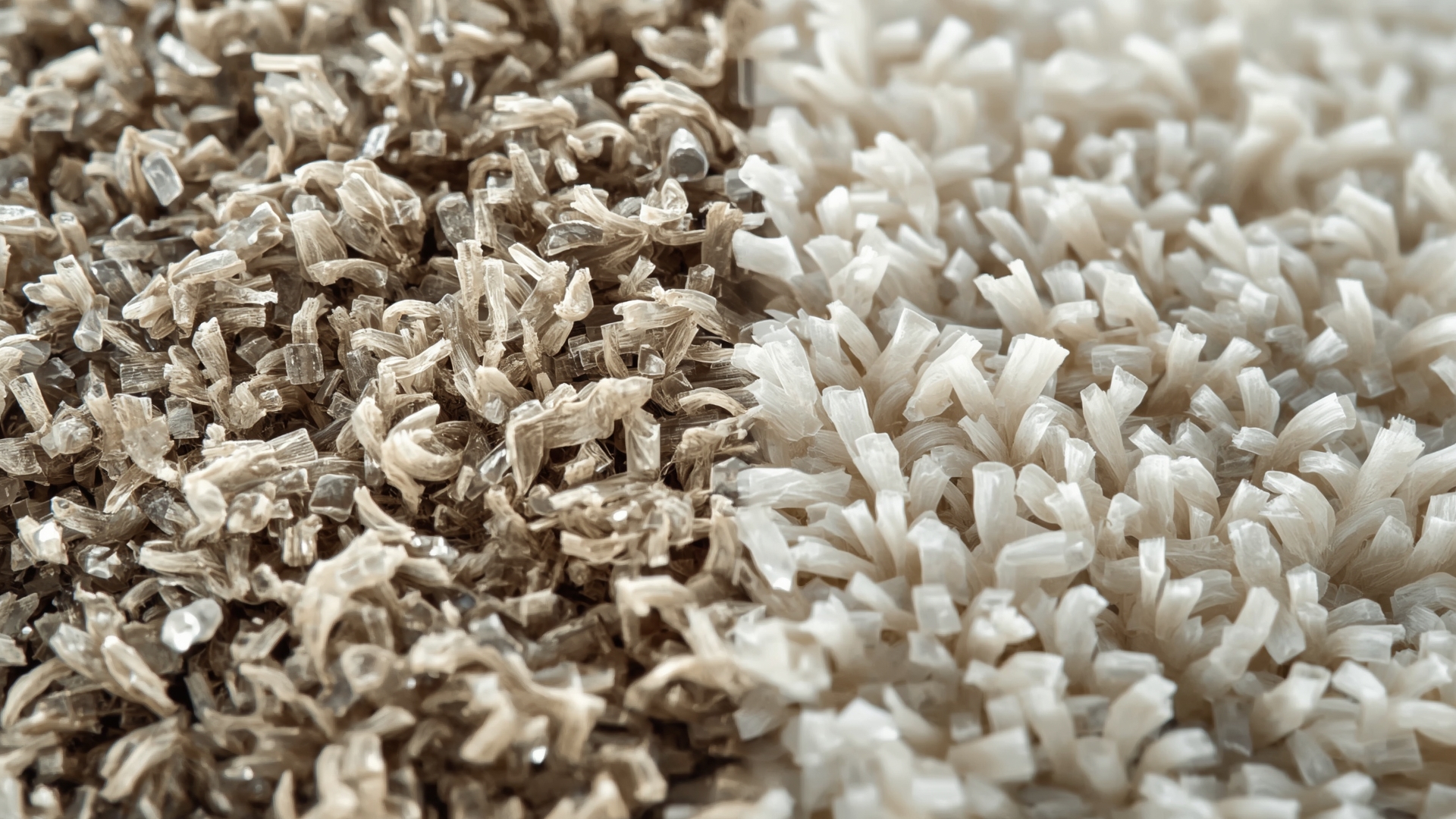
Heavy soil in commercial carpet typically involves three compounding issues. First, dry particulate has been compacted into the base of the pile by foot traffic. Second, oily films from tracked-in grease, food residue, and skin oils have coated fiber surfaces, which causes loose soil to stick rather than release during vacuuming. Third, dried spills have wicked down into the primary backing and sometimes into the carpet pad, creating a reservoir of material that can reappear at the surface after cleaning.
When all three are present, standard extraction chemistry won’t work efficiently. The oily soil layer blocks water-based cleaning agents from penetrating to the pile base. The compacted dry soil absorbs chemistry before it reaches the bonded residue. This is why heavily soiled carpet requires a layered approach, not just a stronger cleaning solution.
Soil Load Classification for Commercial Carpet
| Soil Load Level | Visual Indicators | Fiber Condition | Recommended Approach | Expected Cleaning Passes |
|---|---|---|---|---|
| Light | Slight dullness, minor traffic lanes | Fibers upright, no matting | Single-pass hot water extraction | 1 to 2 |
| Moderate | Visible traffic lanes, spot clusters | Minor pile lay, some stiffness | Pre-spray + hot water extraction | 2 to 3 |
| Heavy | Dark traffic lanes, widespread spotting | Pile matting, fiber bonding | Pre-treatment + agitation + multi-pass extraction | 3 to 5 |
| Severely Neglected | Black traffic lanes, odor, stiff pile | Permanent matting, possible backing damage | Restorative deep clean or replacement assessment | 5+ or replacement |
How Should You Inspect a Heavily Soiled Commercial Carpet Before Cleaning?
Quick Answer: Walk the full space, map traffic zones, probe pile base with a stiff brush, check for backing damage and odor, and do a fiber identification test before selecting chemistry. Skipping inspection leads to wrong chemistry choices and unmet client expectations.
Inspection isn’t a formality. For heavily soiled commercial carpet, it’s the step that determines whether the job will succeed. A systematic walkthrough should cover the entire cleanable area and produce a clear zone map before any equipment is brought in.
Zone Mapping and Traffic Analysis
Start by identifying the four common zone types in commercial spaces: entry zones (highest soil load, tracked-in particulate and moisture), traffic corridors (compacted dry soil, oil transfer from shoes), workstation clusters (food and beverage spills, lower dry soil), and low-traffic areas (dust and occasional spills). Each zone may need different chemistry or pass counts.
Mark these zones before cleaning begins. In large facilities, zone mapping also helps you sequence the job efficiently, cleaning low-traffic areas first and finishing at the exit so you’re not walking on wet carpet.
Fiber Identification and Pre-Test Protocol
Before applying any chemistry, identify the carpet fiber type. Most commercial carpet is synthetic — nylon, olefin (polypropylene), or polyester. Each has different chemical tolerances. Nylon handles alkaline cleaners well. Olefin is sensitive to high heat and can be damaged by certain solvents. Polyester resists staining but tends to mat under heavy traffic.
Always run a pre-test in a low-visibility area. Apply your intended pre-treatment chemistry, wait the recommended dwell time, then blot and check for dye transfer, color change, or backing damage. This takes three minutes and prevents expensive mistakes.
Pre-Inspection Assessment Checklist
| Inspection Item | What to Look For | Implication |
|---|---|---|
| Fiber type | Burn test or manufacturer label | Determines safe pH range for chemistry |
| Pile condition | Matting, crushing, fiber separation | Severe matting may not recover after cleaning |
| Backing integrity | Delamination, bubbling, tears | Wet extraction may worsen structural damage |
| Odor presence | Biological, chemical, musty | Signals contamination below pile surface |
| Moisture at pile base | Probe or moisture meter reading | Pre-existing moisture increases mold risk |
| Stain type | Oil-based, protein, tannin, dye | Guides pre-treatment chemistry selection |
What Pre-Treatment Chemistry Works Best on Heavy Soil?
Quick Answer: Match chemistry to soil type. Use a high-alkaline degreaser (pH 9 to 11) for oily traffic lane soil, an enzyme-based pre-spray for protein and organic residue, and a traffic lane pre-conditioner for compacted dry soil. Dwell time of 5 to 15 minutes is required for heavy loads.
Pre-treatment is where most heavily soiled commercial carpet jobs are won or lost. The extraction step removes what the pre-treatment has already loosened. If you skip or rush pre-treatment, you’re just pushing concentrated soil through the carpet with hot water.
Chemistry Selection by Soil Type
Oily traffic lane soil requires an alkaline emulsifier. These solutions break the bond between oil molecules and fiber surfaces, suspending the soil so it can be flushed out during extraction. pH range of 9 to 11 is appropriate for most synthetic commercial carpet. Do not use high-alkaline chemistry on wool blends or acid-dyed fibers without specific verification.
Protein-based soils (food spills, biological residue) respond best to enzyme-based pre-sprays. The enzymes target specific molecular bonds in protein chains, breaking them down into smaller particles that rinse away cleanly. These require adequate dwell time — at minimum 5 minutes, but 10 to 15 minutes is better for heavily soiled areas.
Compacted dry soil in traffic corridors often benefits from a traffic lane pre-conditioner: a surfactant-based product that penetrates the pile base and lifts loosened particulate into the solution for extraction. Apply these with a pump sprayer and allow full contact time before agitation.
Pre-Treatment EAV Reference Table
| Pre-Treatment Type | Target Soil | pH Range | Dwell Time | Agitation Required |
|---|---|---|---|---|
| Alkaline degreaser | Oily traffic lane residue | 9 to 11 | 5 to 10 minutes | Yes, rotary or brush agitation |
| Enzyme pre-spray | Protein, organic, biological soil | 6 to 8 | 10 to 15 minutes | Light, to avoid foam activation |
| Traffic lane pre-conditioner | Compacted dry particulate | 8 to 10 | 5 to 8 minutes | Yes, counter-rotation brush recommended |
| Citrus-based solvent emulsifier | Adhesive residue, petroleum oils | 6 to 8 | 3 to 5 minutes | Minimal, blot-and-flush technique |
| Neutral pH rinse agent | Post-cleaning residue neutralization | 6.5 to 7.5 | Applied during extraction | No |
What Is the Right Extraction Sequence for Heavily Soiled Carpet?
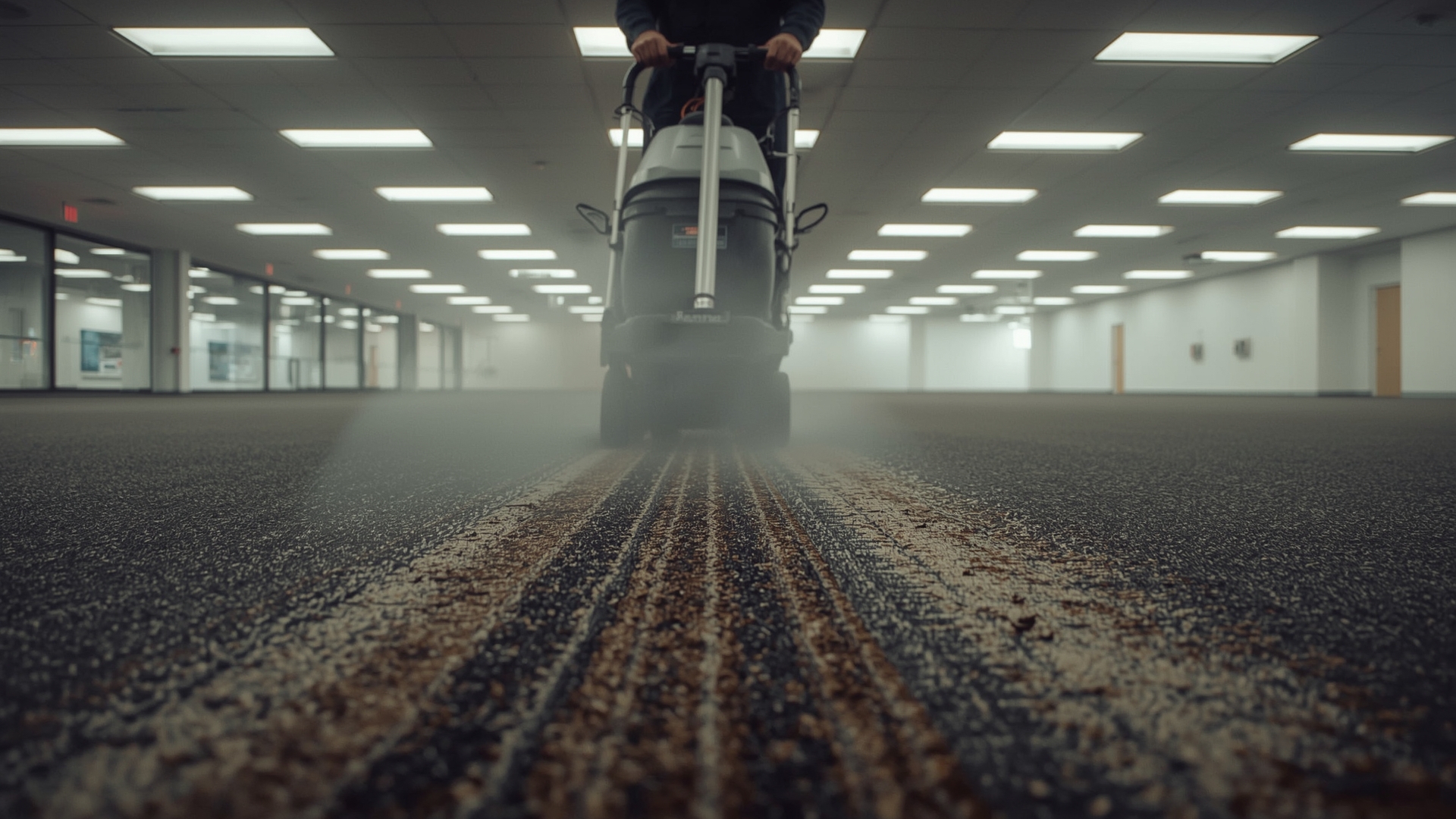
Quick Answer: Always remove dry soil by vacuuming before wet extraction begins. Then apply pre-treatment, agitate, and extract with hot water at 180°F to 230°F using overlapping passes. Follow with a rinse pass using a neutralizing rinse agent to prevent residue buildup and resoiling.
Extraction sequencing is the structured order of cleaning steps that gives each phase the best chance to work. Skipping steps or reordering them reduces effectiveness and can cause secondary problems like residue buildup or resoiling.
Step 1: Thorough Dry Soil Removal
Vacuum thoroughly before any liquid touches the carpet. This is the single most overlooked step in commercial restoration cleaning. Loose dry soil that gets wet during extraction turns into a slurry that bonds to fiber surfaces and clogs extraction equipment. Use a commercial upright or backpack vacuum with a strong beater bar on pile carpet. Make at least two passes in perpendicular directions over heavily trafficked zones.
Step 2: Pre-Treat and Agitate
Apply pre-treatment chemistry to the worst zones first. Allow full dwell time. Then agitate using a counter-rotating brush machine (CRB) or a stiff-bristle grout brush for spot areas. Agitation mechanically breaks up compacted soil clusters and ensures the chemistry contacts fiber surfaces deeper in the pile. Do not skip agitation on heavy soil — chemistry alone won’t reach the pile base without it.
Step 3: Hot Water Extraction
Use a truck-mounted or high-powered portable extractor with water temperature between 180°F and 230°F. Higher temperatures improve chemistry activation and loosen oil-bonded soil. Make forward and backward passes in the same lane before moving to the next. Overlap each pass by 50% to ensure full coverage. On severely soiled areas, make a dry pass (no spray) after the wet pass to maximize moisture recovery before moving on.
Step 4: Rinse Pass with Neutralizing Agent
After the primary extraction passes, do a rinse pass using a neutralizing rinse agent at pH 6.5 to 7.0. This step removes leftover surfactant and pre-treatment chemistry residue. Residue left in the pile is a primary cause of accelerated resoiling — it acts as a sticky magnet for new soil between cleanings. The rinse pass also adjusts carpet pH back toward neutral, which protects fiber integrity over time.
Step 5: Spot Treatment for Remaining Stains
After the full extraction sequence, remaining stains are easier to identify and treat because the surrounding soil has been removed. Treat individual stains with targeted chemistry: protein stains with an enzyme spotter, oil-based stains with a solvent emulsifier, and dye-based stains with an oxidizing agent applied carefully and rinsed thoroughly. Blot, don’t scrub. Scrubbing spreads the stain and damages fiber structure.
How Do You Handle Entry Zones and High-Traffic Corridors Differently?
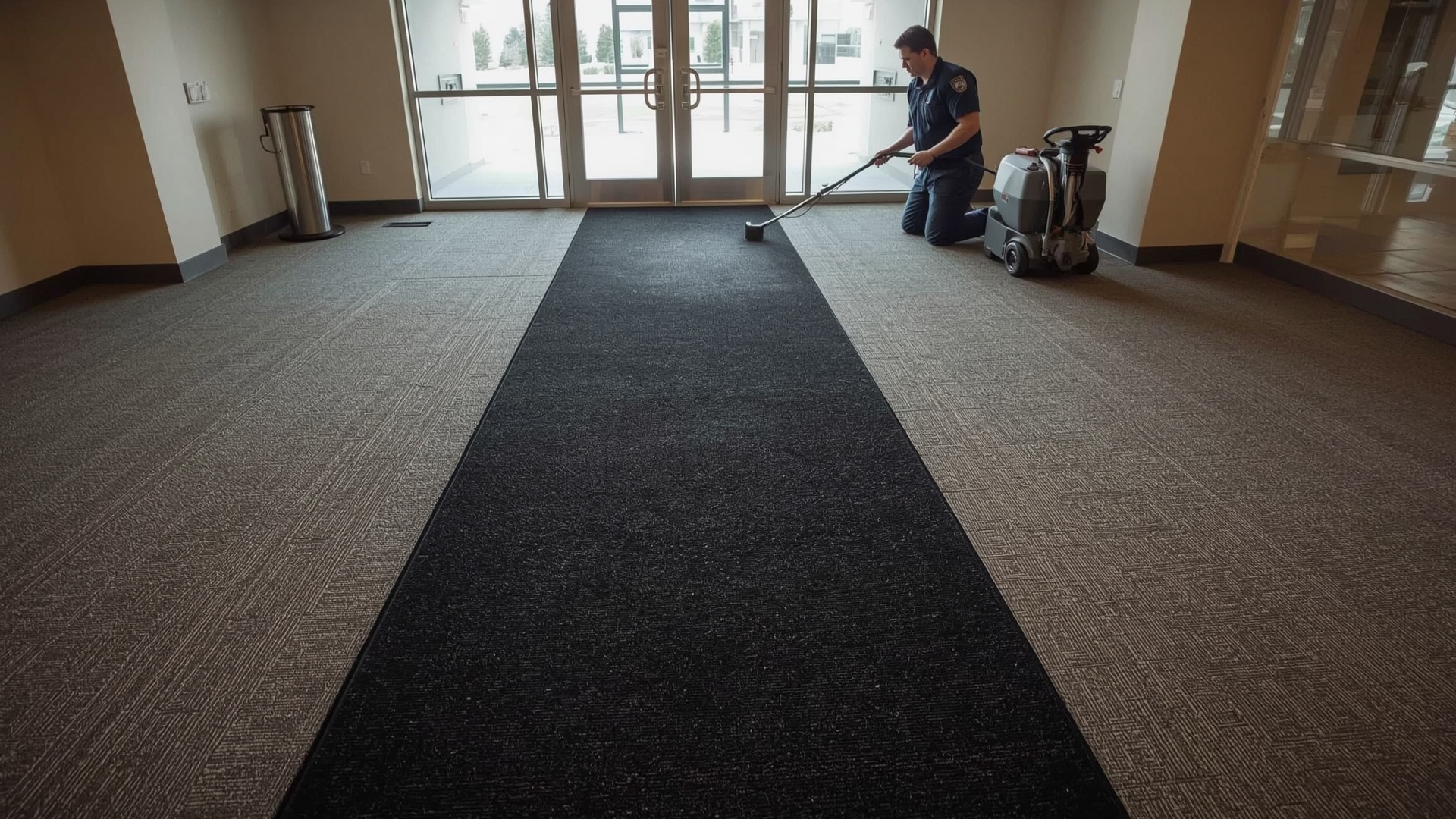
Quick Answer: Entry zones need a dedicated oily soil pre-treatment pass and double the extraction passes compared to open areas. Corridors with permanent traffic lane darkening may require a separate degreaser application and CRB agitation before the main extraction sequence begins.
Entry zones are where 80% of the trackable soil load enters a building. In commercial facilities without adequate matting systems, the first 10 to 15 feet of carpet from each entrance can carry 10 times the soil load of interior areas. These zones need zone-specific treatment, not just an extra pass with the same setup.
Traffic Zone Treatment Protocol
For entry zones, start with a dedicated degreaser application before the main pre-treatment phase. Let it dwell for 8 to 10 minutes, then use a CRB machine or rotary brush to work the chemistry into the base of the pile. Extract, then apply the standard pre-treatment as part of the main cleaning sequence. Entry zones often require 4 to 5 extraction passes to reach an acceptable result.
For corridor traffic lanes with deep soil penetration, consider a second pre-treatment application between extraction passes — called a two-stage extraction. Extract once to remove the top soil layer, reapply pre-treatment to the now-exposed layer, allow 5 minutes of dwell, then extract again. This approach recovers significantly more soil than a single pre-treat and extract cycle.
What Drying Management Steps Prevent Secondary Damage After Extraction?
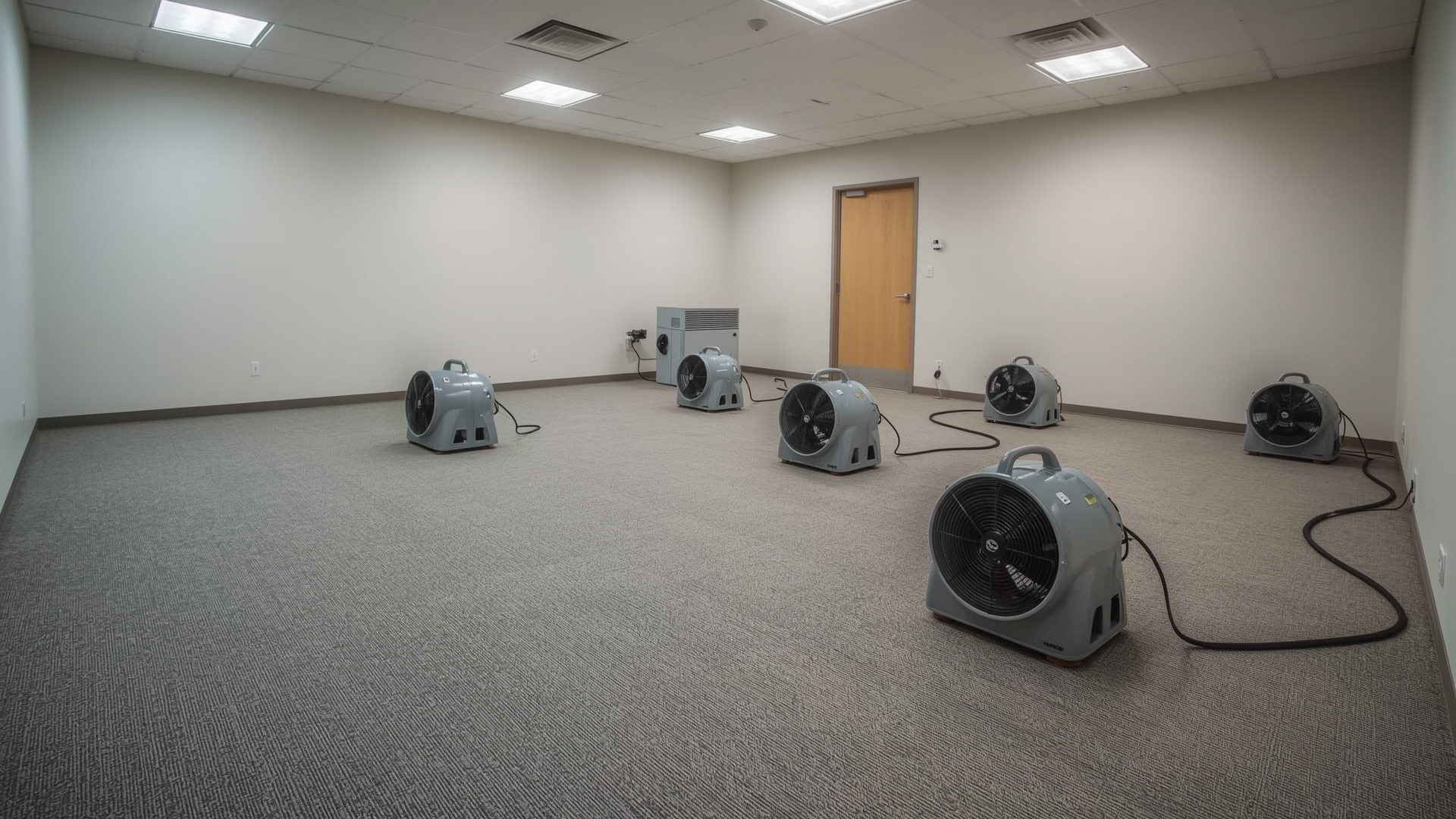
Quick Answer: After hot water extraction, carpet moisture content should return to below 15% within 6 to 12 hours. Use air movers at one unit per 50 to 100 square feet, dehumidifiers in enclosed spaces, and maintain airflow direction away from walls to prevent moisture transfer to baseboards or flooring.
Slow drying is one of the most common causes of complaints after commercial carpet cleaning. It’s also preventable. The risk isn’t just inconvenience — damp carpet in a commercial space can develop mold growth within 24 to 48 hours, especially in humid climates or poorly ventilated spaces.
Airflow and Equipment Setup
Position axial air movers (high-volume fans) flat on the carpet surface to maximize airflow across the pile. Place them every 50 to 100 square feet in cleaned areas. In enclosed offices or conference rooms, add a low-grain refrigerant (LGR) dehumidifier to pull moisture from the air as it evaporates from the carpet. Without dehumidification, the room air quickly becomes saturated and drying slows significantly.
Avoid placing air movers blowing directly at walls. Moisture carried in the airstream can transfer to baseboards, drywall, and under-door gaps. Angle air movers toward the center of the room or toward open doorways to create continuous airflow movement through the space.
Drying Time Benchmarks for Commercial Carpet
| Condition | Air Movers Used | Dehumidifier | Expected Dry Time |
|---|---|---|---|
| Open office, well-ventilated | 1 per 75 sq ft | No | 4 to 6 hours |
| Enclosed offices, low airflow | 1 per 50 sq ft | Yes, 1 per room | 6 to 10 hours |
| Heavily soiled, multiple passes | 1 per 50 sq ft | Yes | 8 to 12 hours |
| Basement or high-humidity space | 1 per 40 sq ft | Yes, high-capacity | 12 to 24 hours |
When Does Heavily Soiled Commercial Carpet Need Replacement Instead of Cleaning?
Quick Answer: Recommend replacement when pile crush is permanent (fibers don’t recover after cleaning), backing delamination is present, permanent staining covers more than 25 to 30% of a visible zone, or the carpet is past its expected service life of 7 to 15 years for commercial grades.
The most important skill in commercial carpet restoration is knowing when to stop cleaning and start recommending replacement. Cleaning a carpet that’s past its service life wastes the client’s money and creates unrealistic expectations. Worse, it can leave a result that looks worse than before because cleaning removes the accumulated soil that was visually masking backing damage or pile deterioration.
Replacement Indicators to Look For During Inspection
Permanent pile crush is the clearest replacement indicator. When carpet fibers have been compressed so long that they no longer spring back — even after hot water extraction and grooming — the carpet has lost its structural resilience. You can confirm this during inspection by pressing the pile with your palm and releasing. If it stays flat, it will stay flat after cleaning too.
Backing delamination is another critical indicator. When the primary backing (the layer the fibers are tufted into) separates from the secondary backing, you’ll see bubbling, rippling, or a crunchy texture underfoot. Wet extraction accelerates delamination. If you see it during inspection, document it clearly before starting the job.
Widespread permanent staining — dye stains, chemical burns, or biological contamination that’s oxidized into the fiber — is a judgment call. If more than 25 to 30% of a high-visibility zone has permanent staining, cleaning the rest of it won’t produce an acceptable appearance result. Replacement is the more honest recommendation.
Commercial Carpet Service Life and Replacement Benchmarks
| Commercial Carpet Grade | Expected Service Life | Traffic Load | Pile Weight | Replacement Trigger |
|---|---|---|---|---|
| Light commercial | 5 to 7 years | Low to moderate | 20 to 28 oz/sq yd | Pile crush, high stain density |
| Standard commercial | 7 to 10 years | Moderate to heavy | 28 to 36 oz/sq yd | Delamination, traffic lane wear |
| Heavy commercial | 10 to 15 years | Heavy to very heavy | 36 to 48 oz/sq yd | Fiber abrasion through backing |
| Carpet tile (modular) | 10 to 20 years (zone-replaceable) | Variable | Varies by spec | Individual tile replacement by zone |
How Do You Protect Heavily Cleaned Commercial Carpet After Restoration?
Quick Answer: Apply a fluoropolymer-based carpet protector after the carpet is fully dry, at a rate of 200 to 400 square feet per gallon depending on pile density. This restores the factory soil-resistance treatment worn away by heavy use and improves the effectiveness of future maintenance cleaning.
Heavily soiled commercial carpet that has been through a restoration clean has typically had its original factory soil-resistance treatment stripped away by years of traffic and soil abrasion. Without reapplication, the cleaned fibers are more porous and will resoil faster than they did when new.
Post-Restoration Protector Application
Apply a fluoropolymer carpet protector once the carpet moisture content is below 10% — typically 6 to 8 hours after extraction in well-ventilated conditions. Use a pump-up sprayer or dedicated electric sprayer for even coverage. Work in the direction of the carpet pile and use a carpet rake to distribute the product evenly through the pile. Allow 2 to 4 hours of drying time before foot traffic resumes.
Document the protector application for the client. This gives them a reference point for their maintenance schedule and creates a service record that supports warranty compliance for facilities with ongoing service contracts.
Post-Cleaning Maintenance Schedule Recommendations
After a restoration clean, set up the client with a realistic maintenance plan. Entry zones should be vacuumed daily and have interim cleaning every 1 to 3 months depending on traffic volume. Interior office areas need vacuuming two to three times per week and maintenance extraction every 6 to 12 months. High-traffic corridors typically need quarterly hot water extraction to prevent soil from returning to restoration-level accumulation.
What Are the Most Common Mistakes in Commercial Carpet Restoration Cleaning?
Quick Answer: The five most common mistakes are skipping pre-vacuuming, using wrong chemistry pH for the fiber type, insufficient dwell time on pre-treatment, over-wetting during extraction, and failing to rinse out surfactant residue after cleaning. Each one leads to either a poor result or accelerated resoiling.
Mistake 1: Skipping the Pre-Vacuum
Running extraction over un-vacuumed carpet pushes loose dry soil into the pile and turns it into bonded residue. This makes the job harder, uses more chemistry, and produces a worse result. Pre-vacuuming on heavily soiled carpet takes time, but it directly improves every step that follows.
Mistake 2: Wrong Chemistry for the Fiber
High-alkaline degreasers used on olefin fiber can strip the fiber’s color or damage its structure. Low-pH enzyme products used on protein stains in wool carpet can cause cellulose browning in wool-blend backing materials. Know the fiber before selecting the chemistry.
Mistake 3: Rushing Dwell Time
Pre-treatment chemistry needs contact time to work. Five minutes is a minimum. Heavily soiled areas benefit from 10 to 15 minutes. Extracting immediately after application means you’re washing away chemistry before it has done its job. Set a timer if needed — dwell time discipline is one of the highest-leverage habits in commercial carpet restoration.
Mistake 4: Over-Wetting
Over-wetting happens when too much water is applied relative to the extractor’s recovery capacity. This drives moisture deep into the backing and pad, extending drying time to 24 hours or more and significantly increasing mold risk. Slow, controlled extraction passes with consistent suction pressure prevent this. A dry pass after each wet pass helps maximize water recovery.
Mistake 5: No Rinse Pass
Leaving surfactant residue in the carpet after cleaning is one of the leading causes of rapid resoiling. Clients notice the carpet looks dirty again within weeks. The fix is simple: a final rinse pass with a neutralizing agent removes leftover chemistry and leaves a clean, residue-free fiber surface that resists new soil pickup.
Frequently Asked Questions
Can you restore commercial carpet that has never been professionally cleaned?
Yes, but results depend on how long it’s been neglected and the current fiber condition. Carpet that has gone five or more years without professional cleaning often has permanent pile crush and deep soil bonding that limits restoration results. A pre-inspection helps set realistic expectations before committing to a full restoration job.
How many extraction passes does heavily soiled commercial carpet typically need?
Most heavily soiled commercial carpet requires three to five extraction passes for acceptable results. Entry zones and traffic corridors may need five or more. Each additional pass recovers progressively less soil, so stop when the rinse water running into the extractor tank runs visually clear.
Is encapsulation cleaning effective on heavily soiled carpet?
Encapsulation cleaning works well for maintenance-level soil but is not designed for heavily soiled carpet. When soil load is high, the polymer can become saturated before encapsulating all the residue, leaving behind sticky deposits. Restoration cleaning requires hot water extraction as the primary method.
What water temperature should be used for commercial carpet extraction?
Water temperature between 180°F and 230°F is standard for commercial hot water extraction. Higher temperatures accelerate chemistry activation and loosen oil-bonded soil. Truck-mounted systems generally maintain temperature better than portable extractors across large commercial jobs.
How do you handle odor in heavily soiled commercial carpet?
Odor in heavily soiled commercial carpet usually comes from biological residue, mold, or bacterial activity in the pile base. The cleaning sequence itself removes much of the source material. For persistent odor after extraction, apply an enzyme-based deodorizer after the rinse pass and allow it to dwell before a final light rinse. Odor that persists after a full restoration clean often indicates sub-surface contamination in the pad or subfloor.
Should carpet protector be applied after every professional cleaning?
Applying protector after every restoration-level cleaning is best practice. After routine maintenance cleanings, it’s recommended every other service or annually, depending on traffic intensity. High-traffic commercial spaces that skip protector reapplication typically show resoiling 30 to 50% faster between service intervals.