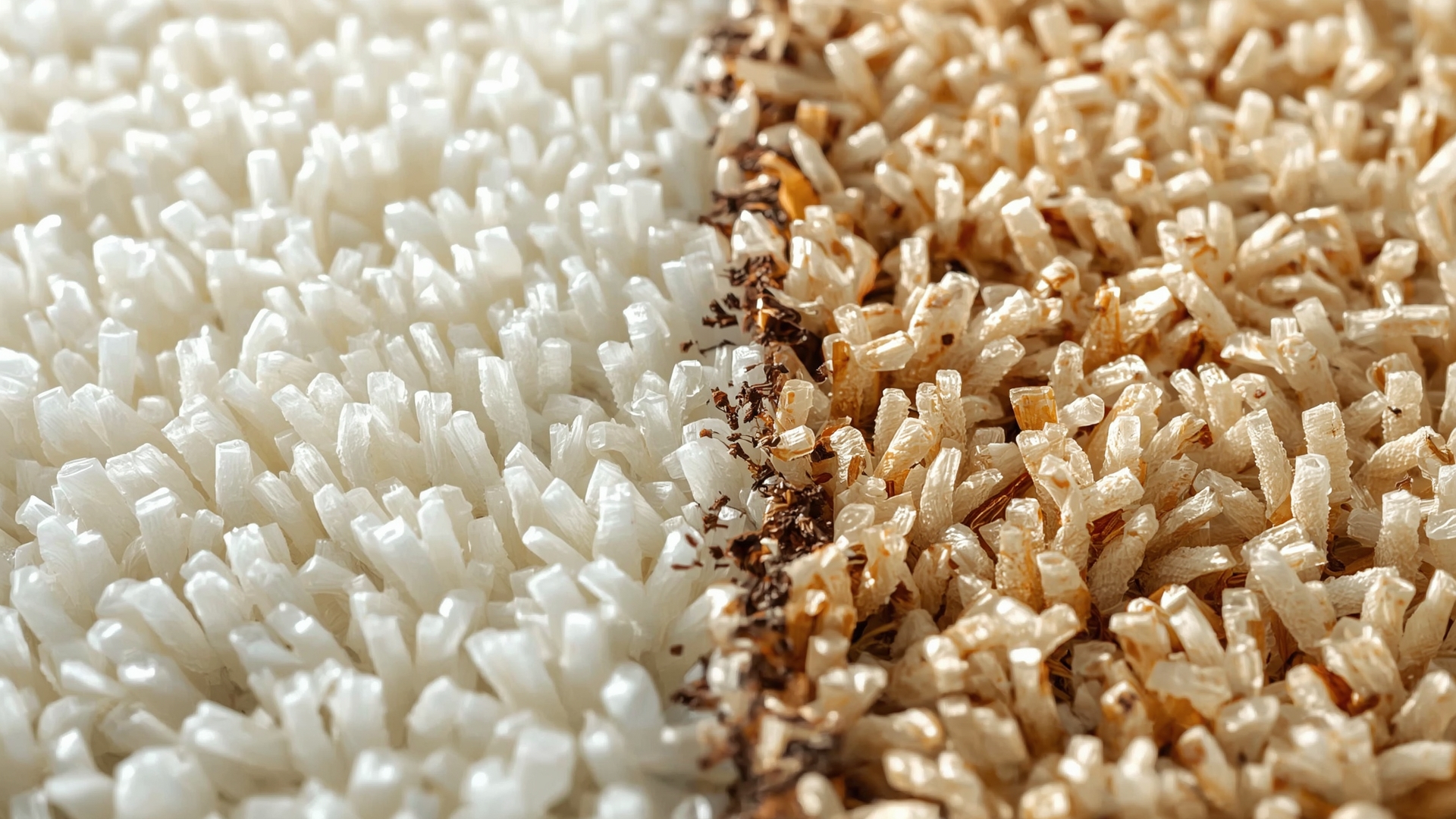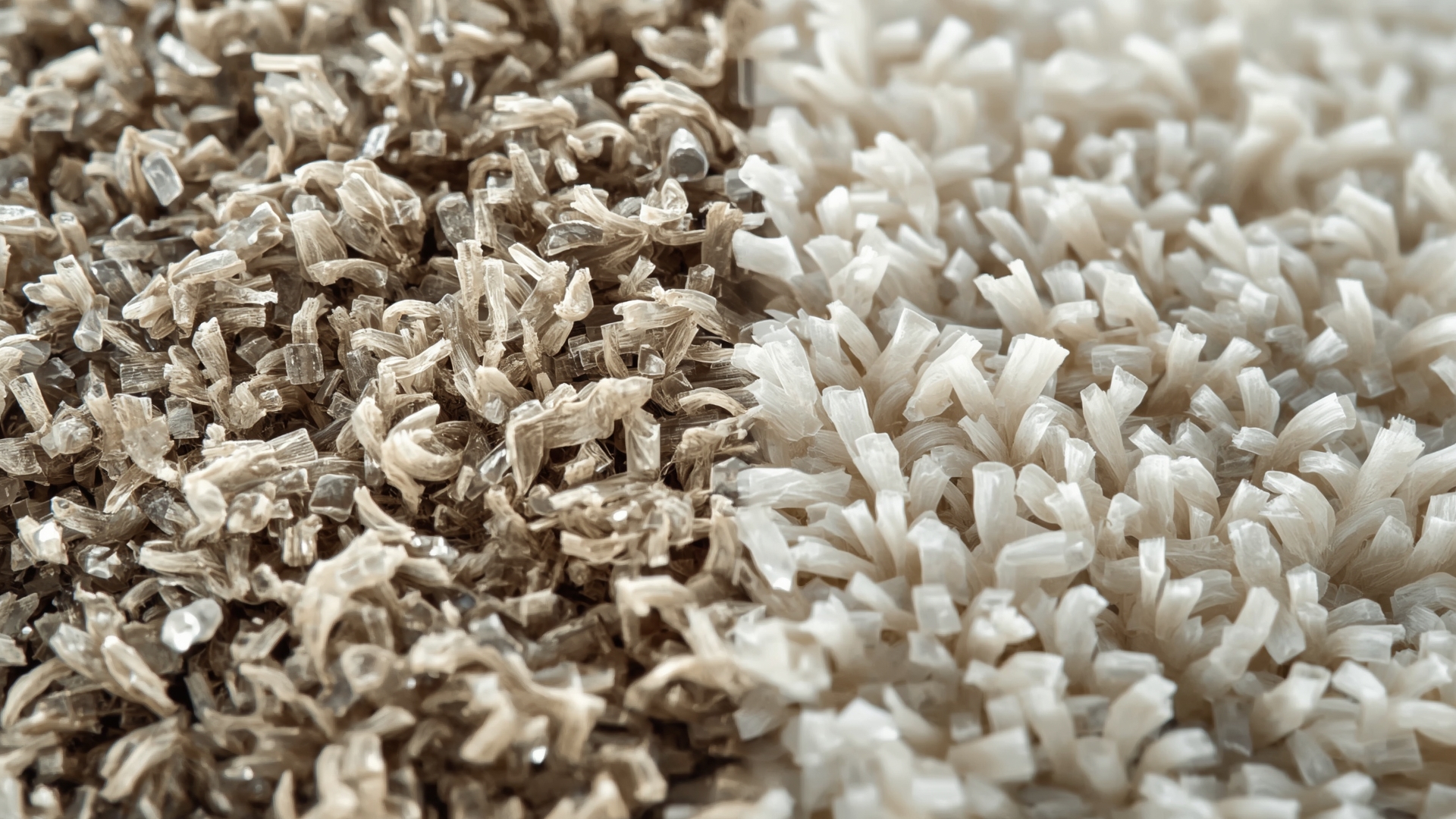
Most people think carpet cleaning starts the moment the machine touches the floor. It doesn’t. The step before wet cleaning determines how well the whole process works. Vacuuming dry soil out of your carpet before any liquid chemistry touches the fibers isn’t optional prep. It’s the foundation of an effective clean.
Skip it, and you’re making your cleaning chemistry work harder than it needs to. The water and detergents saturate dry particles instead of targeting bonded soil and stains. The result is a carpet that looks cleaner but isn’t.
Key Takeaways
- Dry soil removal should happen before any wet chemistry is applied. Vacuuming first prevents dry particles from mixing with water and forming a harder-to-remove paste.
- Unremoved soil consumes cleaning chemistry. Detergents and polymers designed to lift oily or bonded soil get used up neutralizing loose dry particles instead.
- Encapsulation polymers perform better in cleaner fiber environments. High dry soil loads reduce polymer contact with actual fiber, limiting encapsulation effectiveness.
- Most carpets need 2 to 4 slow vacuum passes before wet cleaning. One quick pass is not enough to extract deeply settled soil from pile fibers.
- The type of carpet affects how much pre-vacuuming matters. High-pile and loop carpets trap more soil and need more thorough pre-vacuuming than low-pile commercial carpet.
- Professional carpet cleaners who skip pre-vacuuming are cutting corners. This step is part of the IICRC S100 standard for carpet cleaning procedures.
Should You Vacuum Before Carpet Cleaning?
Quick Answer: Yes. Vacuuming removes dry soil before wet cleaning chemistry is applied. Skipping it forces cleaning solutions to work through loose particles first, reducing their effectiveness on bonded stains and oily soil that actually requires chemical action to release.
Carpet soil isn’t a single substance. It’s a mix of materials with different properties. Dry soil includes sand, grit, skin cells, dust mite debris, and fine particulate matter. These particles don’t bond chemically to carpet fibers the way oily or protein-based soils do. They sit in the pile and settle toward the base of the fibers over time.
Wet chemistry, the detergents and solutions used in hot water extraction or encapsulation cleaning, is designed to break the chemical bonds that hold oily and organic soils to fiber surfaces. That chemistry isn’t necessary for dry particulate. Water alone lifts it. But lifting it with water during cleaning creates a muddy suspension inside the pile that the extractor then has to pull out.
The better approach is to remove dry soil mechanically before any liquid touches the carpet. That’s what vacuuming does. It pulls those particles out while they’re still dry and easy to extract.
What Happens to Dry Soil When You Skip Vacuuming?
Quick Answer: Dry soil mixes with cleaning solution and forms a slurry inside the carpet pile. This slurry is harder to extract than dry particles, increases cleaning solution consumption, and can leave a residue that attracts new soil faster after cleaning.
Sand and fine grit particles become suspended in water the moment cleaning solution is applied. They don’t dissolve. They float. When the extractor pulls the solution back out, some of those suspended particles get left behind in the base of the pile or in the carpet pad.
This matters for two reasons. First, those particles remain abrasive. Fine grit left in carpet fibers continues to cut and fray fiber surfaces every time someone walks across the floor. Second, particles left behind contribute to accelerated resoiling. They give new airborne soil more surface area to cling to.
How Dry Soil Creates a Cleaning Chemistry Problem
Cleaning solutions have a finite soil capacity. Every formula is designed to suspend and remove a set amount of soil. When dry particulate consumes part of that capacity, less is available to tackle the oily and bonded soils that actually need chemical help.
Think of your cleaning solution like a sponge. It can only hold so much before it’s saturated. If dry soil fills part of that capacity, you’ve reduced the amount of work your chemistry can do on the stains and embedded oils that matter most.
In heavily soiled carpets, technicians sometimes apply additional pre-spray solution to compensate. But that increases chemical cost, increases extraction time, and raises the risk of over-wetting the carpet.
How Does Dry Soil Affect Encapsulation Polymer Efficiency?
Quick Answer: Encapsulation polymers need direct contact with carpet fibers to crystallize around soil particles. High levels of dry soil create a barrier between the polymer and fiber surface, reducing crystallization quality and leaving more soil behind after drying and vacuuming.
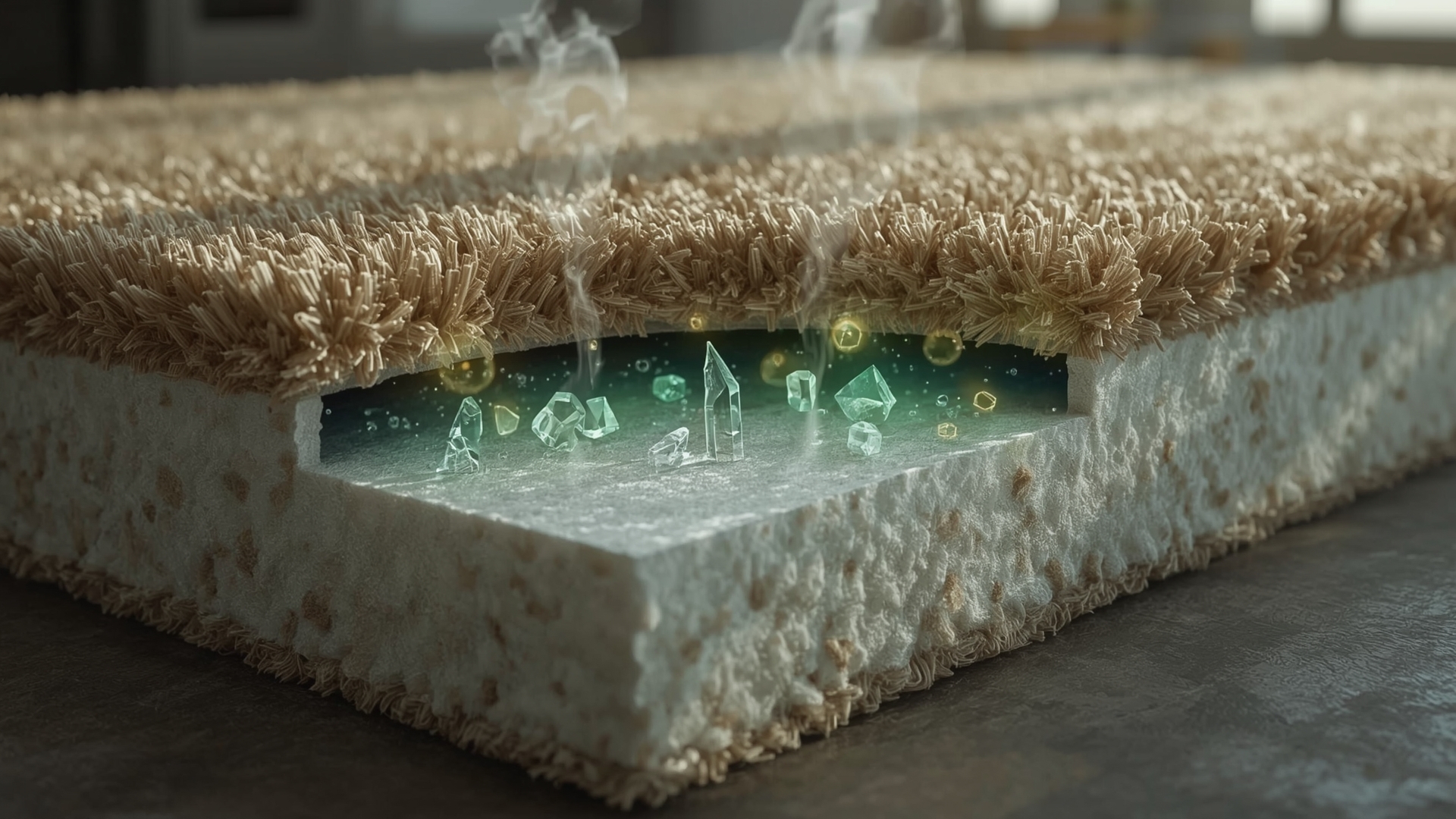
Encapsulation cleaning works by applying a polymer solution that surrounds soil particles and crystallizes as it dries. Once dry, those crystals release easily from fiber surfaces and are removed by post-cleaning vacuuming. It’s an efficient method, particularly for commercial carpet maintenance. But it depends on polymer-to-fiber contact.
When dry soil loads are high, the polymer contacts soil particles before it ever reaches fiber surfaces. It encapsulates the loose dry particles but doesn’t fully penetrate to reach bonded soil deeper in the pile. The result after drying looks acceptable but leaves a higher residual soil level than a properly prepared carpet would.
The Role of Polymer Contact in Encapsulation Results
Encapsulation polymers work at a microscopic level. The solution flows along fiber surfaces, wrapping around attached soil as it travels. When fiber surfaces are covered in loose particulate, the polymer can’t reach the fiber-to-soil bond that needs to be broken.
Pre-vacuuming clears those loose particles and opens the fiber surface. The polymer then flows directly to where bonded soil contacts the fiber, which is exactly where it needs to work. You get better crystallization, better soil release on post-vacuuming, and a cleaner result with the same amount of chemistry.
Encapsulation Polymer Performance: Pre-Vacuumed vs. Not Pre-Vacuumed
| Variable | Pre-Vacuumed Carpet | Not Pre-Vacuumed |
|---|---|---|
| Polymer contact with fiber | Direct contact with fiber surface | Blocked by loose dry soil layer |
| Crystallization quality | Uniform, complete | Uneven, partial |
| Post-clean vacuuming yield | High soil removal on follow-up vacuum | Lower removal, more residual soil |
| Chemistry consumption | Efficient use of polymer solution | Polymer partially consumed by dry particles |
| Resoiling rate after cleaning | Slower, cleaner fiber surface | Faster, residual particles attract new soil |
How Does Pre-Vacuuming Affect Hot Water Extraction Results?
Quick Answer: Hot water extraction works by injecting hot water and solution into the pile, then extracting it immediately. Pre-vacuuming reduces the dry soil load the extractor must pull through the vacuum lines, improving extraction efficiency and reducing the risk of residue left in the pile.
Hot water extraction, often called steam cleaning, is the most widely used professional carpet cleaning method. The machine injects a hot water and detergent solution into the carpet pile under pressure, then immediately extracts it with a powerful vacuum. That extraction has to pull everything back out: solution, suspended soil, and anything else in the pile.
When dry soil is present in high quantities, it becomes part of the extraction load. The extractor can handle it, but it means more passes are needed to pull the carpet clean. More passes mean more hot water, more time, and more risk of over-wetting. Carpet that stays wet too long is at risk for mold growth, wicking, and backing damage.
What Is Over-Wetting and Why Does It Matter?
Over-wetting happens when too much water is applied during cleaning and can’t be fully extracted. The carpet feels damp for longer than 12 to 24 hours. During that extended drying window, mold spores that are naturally present in the environment can begin to grow in the wet pile and pad.
Pre-vacuuming reduces the number of extraction passes needed. Fewer passes mean less water introduced, which means faster drying and a lower risk of moisture-related problems. It’s a simple step that protects the carpet long after the cleaning is done.
What Is the Right Way to Vacuum Before Carpet Cleaning?

Quick Answer: Use a vacuum with strong suction and a beater bar or agitation brush. Make 2 to 4 slow passes in overlapping directions. Remove furniture if possible. Focus extra passes on high-traffic areas where dry soil is most concentrated before wet cleaning begins.
Pre-Cleaning Vacuuming Best Practices by Carpet Type
| Carpet Type | Recommended Passes | Agitation Setting | Key Notes |
|---|---|---|---|
| Cut pile (residential) | 2 to 4 passes | Beater bar on medium | Vacuum in two directions to agitate pile and release settled soil |
| Loop pile / Berber | 2 to 3 passes | Suction only or gentle brush | Beater bar can snag loops; use suction attachment to avoid damage |
| High-pile / Shag | 3 to 4 passes | High clearance setting, low beater speed | Soil settles deeply in long fibers; slow passes improve soil release |
| Commercial low-pile | 2 passes | Beater bar on low | Tight pile holds less soil by volume; focus on high-traffic lanes |
| Natural fiber (wool, sisal) | 3 to 4 passes | Suction only on wool; brush on sisal | Wool fibers are delicate; avoid aggressive agitation to prevent frizzing |
Direction Matters When You Vacuum
Pile fibers have a natural lay direction. Vacuuming only with the pile pulls surface soil but misses what’s settled against the fiber base. Vacuuming against the pile direction lifts fibers and releases deeper-settled particles.
The most effective pre-clean pass pattern is a cross-direction approach. Vacuum with the pile first, then run a second pass against it. On high-traffic areas, add a third diagonal pass. This pattern agitates settled soil and gives the vacuum the best chance of pulling it out before wet cleaning begins.
What Vacuum Features Matter for Pre-Cleaning?
Not all vacuum cleaners extract dry soil equally well. For pre-cleaning before carpet cleaning, suction power and agitation are both important. Suction alone is better than nothing, but beater bar agitation breaks the static bond between fine particles and fiber surfaces so the suction can lift them.
Commercial upright vacuums with sealed suction systems and HEPA filtration are the best option. They contain the fine dust they extract rather than recirculating it through the air. For residential pre-cleaning, any quality upright with a functional beater bar and strong suction will work if used with slow, overlapping passes.
How Much Dry Soil Does a Carpet Actually Hold?

Quick Answer: A typical residential carpet can hold up to 1 pound of dry soil per square foot before it looks visibly dirty. Most of that soil is invisible to the eye and concentrated at the base of the pile, which is why regular vacuuming before wet cleaning has a measurable impact on results.
Carpet functions as a filter. It traps airborne particles, tracks-in soil, and debris from foot traffic. A 10 x 12 foot bedroom carpet can accumulate more than 100 pounds of dry soil over a year before it begins to look dirty to the average person. That soil doesn’t distribute evenly. It concentrates in areas of highest foot traffic and settles toward the backing over time.
This concentration pattern is why a quick pre-vacuum pass isn’t enough. High-traffic areas need more attention, slower passes, and more directional changes to agitate what’s settled deep in the pile.
Dry Soil Accumulation by Household Situation
| Household Factor | Estimated Dry Soil Load Increase | Implication for Pre-Vacuuming |
|---|---|---|
| Pets (indoor dogs or cats) | 30 to 50% higher than no-pet households | Increase passes to 4; focus on pet resting areas |
| Children under 10 | 20 to 35% higher | Extra passes in play areas and hallways |
| No entryway mat system | 40 to 60% more tracked-in soil | High-traffic entry zones need thorough pre-vacuuming |
| Forced-air heating or cooling | 15 to 25% more airborne particle deposit | Vacuum areas near vents before cleaning |
| Single occupant, low traffic | Baseline soil load | 2 passes sufficient in most rooms |
Does Pre-Vacuuming Apply to Commercial Carpet Cleaning Too?
Quick Answer: Yes. Commercial carpets carry higher dry soil loads than most residential carpets due to foot traffic volume. Pre-vacuuming is especially important before encapsulation cleaning, which is the most common method in commercial settings, because soil load directly limits polymer performance.
Commercial facilities often use encapsulation cleaning as an interim maintenance method between restorative hot water extraction services. The effectiveness of those interim cleans depends almost entirely on how clean the fiber surface is before the polymer is applied. Pre-vacuuming is therefore more critical in commercial settings, not less.
Many commercial maintenance programs schedule dedicated vacuum-only visits between encapsulation cleans. These aren’t redundant. They reduce the dry soil accumulation that would otherwise limit the next encapsulation cycle’s effectiveness.
What Tools Are Used for Commercial Pre-Vacuuming?
Commercial pre-vacuuming typically uses upright commercial vacuums with wide cleaning paths, 14 to 16 inches, to cover large areas efficiently. Backpack vacuum systems are common in facilities where technicians need to move quickly between rooms. For high-traffic areas near entrances, some facilities use walk-behind propane-powered sweepers for very heavy soil accumulation before any wet cleaning occurs.
Is Pre-Vacuuming Required by Industry Standards?
Quick Answer: Yes. The IICRC S100 standard for carpet cleaning includes pre-vacuuming as a required step in the cleaning process. Certified technicians are trained to remove dry soil before applying any wet chemistry, and skipping this step is considered a departure from accepted professional practice.
The Institute of Inspection, Cleaning and Restoration Certification, known as the IICRC, publishes standards for carpet cleaning. The S100 standard outlines the proper sequence of a professional carpet cleaning job. Pre-vacuuming appears in that sequence before pre-spray application, before agitation, and before hot water extraction or encapsulation.
When you hire a professional cleaner, watching for this step tells you something about their process quality. A technician who moves straight from inspection to wet cleaning without vacuuming first is shortcutting the process. The result you get will reflect that shortcut.
What Type of Soil Does Vacuuming Remove vs. What Wet Cleaning Handles?

Quick Answer: Vacuuming removes dry, particulate soil: sand, grit, dust, skin cells, and loose debris. Wet cleaning handles bonded soils: oily residue, protein-based stains, and sticky substances that cling chemically to fiber surfaces and can’t be lifted by mechanical suction alone.
Understanding this division is the clearest reason pre-vacuuming matters. Each cleaning method targets a different category of soil. Using the right method for each category is what makes the overall clean effective.
Soil Type Classification and Removal Method
| Soil Type | Examples | Primary Bond to Fiber | Removal Method |
|---|---|---|---|
| Dry particulate | Sand, grit, dust, pet dander, skin cells | Loose / gravitational settlement | Vacuuming (mechanical suction) |
| Oily soil | Cooking grease, body oils, tracked-in vehicle fluids | Hydrophobic adhesion to fiber surface | Surfactant chemistry + hot water extraction |
| Protein-based soil | Blood, food, pet waste, mucus | Chemical bond, tightens with heat | Enzyme treatment + cool water extraction |
| Soluble soil | Coffee, juice, soft drinks | Dried crystalline deposit on fiber | Hot water dissolution + extraction |
| Insoluble bonded soil | Tar, rubber, adhesive residue | Strong physical bond to fiber surface | Solvent pre-treatment + extraction |
The table makes the logic visible. Dry particulate, the largest category by volume in most carpets, doesn’t need chemistry. It needs suction. Sending chemistry at it is a waste of a resource that was designed for a harder job.
How Long Before Cleaning Should You Vacuum?
Quick Answer: Vacuum immediately before cleaning, ideally within the same hour. Vacuuming the day before allows foot traffic to re-settle new particles into the pile. If professionals are coming, vacuum that morning to maximize the dry soil you’ve removed before their arrival.
Timing matters more than most people realize. Carpet in a lived-in home accumulates new dry soil constantly. Foot traffic from after your pre-vacuum pass deposits fresh particles. The closer your vacuuming is to the wet cleaning session, the more effective the preparation.
For professional cleaning appointments, vacuuming the morning of the visit is the best practice. If you vacuum the night before and have people moving through the house until the technician arrives, you’ve added back a portion of what you removed. It’s a small detail, but in heavily soiled or pet-occupied homes, it makes a real difference.
Can Pre-Vacuuming Replace the Need for Pre-Spray?
Quick Answer: No. Pre-vacuuming removes dry soil that sits loosely in the pile. Pre-spray applies detergent chemistry to break the bonds between oily and sticky soil and carpet fibers. These are two different steps targeting two different soil types, and neither one replaces the other.
Pre-spray is a detergent solution applied to the carpet before hot water extraction. It works by lowering the surface tension of oily soils and breaking the chemical bonds holding them to fiber. It needs dwell time, usually 5 to 10 minutes, to work before extraction begins.
Pre-vacuuming and pre-spray are sequential, not interchangeable. Pre-vacuuming comes first, then pre-spray, then agitation, then extraction. Each step sets up the next one. Pre-spray actually works better on a pre-vacuumed carpet because it contacts fiber directly instead of filtering through loose soil particles first.
Frequently Asked Questions
Does a professional carpet cleaner vacuum before cleaning?
A properly trained professional will always pre-vacuum before applying any wet chemistry. This step is part of the IICRC S100 standard for carpet cleaning. If a technician skips it, they’re not following the accepted process for the industry.
What happens if you don’t vacuum before steam cleaning?
Dry soil mixes with the hot water and detergent solution, forming a suspension inside the pile. Some of that suspension doesn’t get fully extracted. It dries as residue in the fibers, which can attract new soil quickly and leave the carpet looking dirty sooner than it should after cleaning.
Is one vacuum pass enough before carpet cleaning?
One quick pass removes surface-level debris but misses soil settled toward the base of the pile. Most carpets need 2 to 4 slow passes in at least two directions. High-traffic areas and pet households need closer to 4 passes to adequately reduce dry soil load before wet cleaning.
Does pre-vacuuming help with carpet odors?
Pre-vacuuming removes some of the dry particulate that holds odor-causing bacteria and organic debris. It doesn’t treat odor sources directly. Odor treatment requires enzyme cleaners or oxidizers applied after dry soil removal, but a clean fiber surface allows those treatments to penetrate more effectively.
Should you use a beater bar vacuum on all carpet types before cleaning?
Not on all types. Beater bars work well on cut pile carpet. On loop pile carpet, like Berber, a beater bar can catch loops and cause damage. Use a suction-only attachment or set the brush to its highest clearance position on loop pile before wet cleaning.
Does vacuuming frequency before professional cleaning affect how long results last?
Yes. Regular vacuuming between professional cleanings keeps dry soil accumulation lower. When a professional clean happens on a well-maintained carpet, the chemistry works more effectively on bonded soil, and the results stay visible longer because fewer residual particles are left behind to accelerate resoiling.