A commercial carpet maintenance program schedule is the difference between carpet that lasts 10 years and carpet that needs replacing in 5. Without a structured plan, daily foot traffic grinds soil into fibers, pile collapses, and stains become permanent. Facility managers who follow a documented schedule protect their flooring investment and maintain a professional environment.
This guide covers everything you need to build a complete schedule: zone-based planning, frequency mapping, log documentation, and vendor coordination. Whether you manage a single office or a multi-building campus, the same framework applies.
Key Takeaways
- Zone-based planning is the foundation of any effective schedule. Not every area needs the same care frequency.
- Traffic level determines maintenance frequency. High-traffic zones may need daily vacuuming and quarterly deep cleaning.
- Log documentation protects your budget by tracking service history, warranty compliance, and cleaning chemistry used.
- Vendor coordination requires clear scope-of-work documents and advance scheduling, especially for quarterly and annual services.
- Preventive maintenance costs far less than reactive replacement. Entry mat systems and interim cleaning extend carpet life significantly.
- Carpet fiber type affects which cleaning methods and chemicals are safe to schedule on a recurring basis.
What Is a Commercial Carpet Maintenance Program Schedule?
Quick Answer: A commercial carpet maintenance program schedule is a written plan that maps cleaning tasks, frequencies, and responsible parties to specific zones in a facility. It typically covers daily vacuuming, interim cleaning, periodic deep cleaning, and annual restorative services.
Think of it like a vehicle service schedule. You don’t change your oil every 500 miles or wait until the engine fails. You follow a structured interval based on usage. Carpet works the same way. Different tasks happen at different intervals, and the right interval depends on how much traffic each area receives.
A complete schedule includes four service tiers. Each tier addresses a different level of soil accumulation and carpet condition.
The Four Service Tiers Explained
- Tier 1: Daily Maintenance — Vacuuming and spot treatment to remove surface soil before it migrates into the pile
- Tier 2: Interim Cleaning — Low-moisture methods like encapsulation or bonnet cleaning to remove embedded soil without full drying time
- Tier 3: Periodic Deep Cleaning — Hot water extraction (steam cleaning) to flush deep-seated soil, bacteria, and residue from the fiber base
- Tier 4: Restorative Cleaning — Full extraction with pile lifting, protector reapplication, and possible re-stretching for heavily worn areas
How Do You Map Traffic Zones for a Maintenance Schedule?

Quick Answer: Divide your facility into three traffic zones: high, medium, and low. High-traffic zones include lobbies, corridors, and break rooms. Medium zones cover open offices. Low zones include private offices and conference rooms used infrequently.
Zone mapping is the most important step in scheduling. If you apply one flat frequency across the entire facility, you will under-clean your busiest areas and over-clean areas that don’t need it. Both outcomes cost money.
How to Identify High-Traffic Zones
High-traffic zones are easy to spot. Look for visible soiling patterns, matted pile, or color fading along walking paths. These areas typically include building entrances, main corridors, elevator landings, break rooms, and reception areas.
A simple soil mapping process helps here. Walk the facility after peak hours with a flashlight. Rake light across the carpet surface at a low angle. Matted or discolored areas indicate soil loading that your schedule needs to prioritize.
Traffic Zone Classification Table
| Zone Type | Example Areas | Foot Traffic (Daily Passes) | Vacuum Frequency | Interim Cleaning | Deep Cleaning |
|---|---|---|---|---|---|
| High Traffic | Lobbies, main corridors, break rooms | 200+ passes/day | Daily | Monthly | Quarterly |
| Medium Traffic | Open offices, shared work areas | 50–200 passes/day | 3–5x per week | Quarterly | Semi-annual |
| Low Traffic | Private offices, boardrooms, storage areas | Under 50 passes/day | 1–2x per week | Semi-annual | Annual |
What Cleaning Methods Should Each Tier of the Schedule Use?
Quick Answer: Daily maintenance uses upright or backpack vacuums with HEPA filtration. Interim cleaning uses encapsulation or bonnet methods. Periodic deep cleaning uses hot water extraction. Restorative cleaning combines extraction with pile lifting and protector reapplication.
Matching the right method to the right tier prevents over-wetting, residue buildup, and fiber damage. Using hot water extraction too frequently on nylon loop carpet, for example, can accelerate pile distortion. Using only vacuuming without interim cleaning lets polymer soil bond to fibers over time.
Cleaning Method Comparison by Tier
| Service Tier | Cleaning Method | Drying Time | Soil Removal Depth | Recommended Frequency (High Traffic) | Equipment Required |
|---|---|---|---|---|---|
| Tier 1: Daily | HEPA Vacuum | None | Surface only | Daily | Upright or backpack vacuum |
| Tier 2: Interim | Encapsulation | 20–45 minutes | Upper fiber layer | Monthly | Rotary machine, encapsulation polymer |
| Tier 2: Interim | Bonnet Cleaning | 30–60 minutes | Upper fiber layer | Monthly | Rotary machine, bonnet pad |
| Tier 3: Periodic | Hot Water Extraction | 4–12 hours | Full fiber depth | Quarterly | Truck-mount or portable extractor |
| Tier 4: Restorative | Extraction + Pile Lift + Protector | 6–24 hours | Full depth + backing | Annual | Extractor, pile rake, fluoropolymer protector |
How Often Should Different Areas Be Vacuumed in a Commercial Facility?
Quick Answer: High-traffic areas like lobbies and corridors need daily vacuuming. Medium-traffic open offices need vacuuming three to five times per week. Low-traffic private offices can be vacuumed one to two times per week without significant soil accumulation.
Vacuuming is the single highest-impact maintenance task you can schedule. Dry soil is abrasive. Every footstep grinds loose particles against carpet fibers like sandpaper. Once soil is removed in its dry state, it takes far less effort than after it has been compacted or activated by moisture.
Equipment choice matters too. An upright vacuum with rotating brush rolls is more effective on cut pile carpet. A wand or suction-only head works better on loop or Berber styles where brush rolls can snag loops.
Vacuuming Speed and Coverage Standards
Industry guidance from the IICRC (Institute of Inspection, Cleaning and Restoration Certification) recommends moving a commercial vacuum at no more than 1.5 feet per second in high-soil conditions. Faster passes miss embedded particles in the fiber base.
Each vacuuming pass should overlap the previous one by at least 4 inches. For high-traffic corridors, run two passes in opposite directions to lift soil from both sides of the pile.
What Should a Carpet Maintenance Log Include?
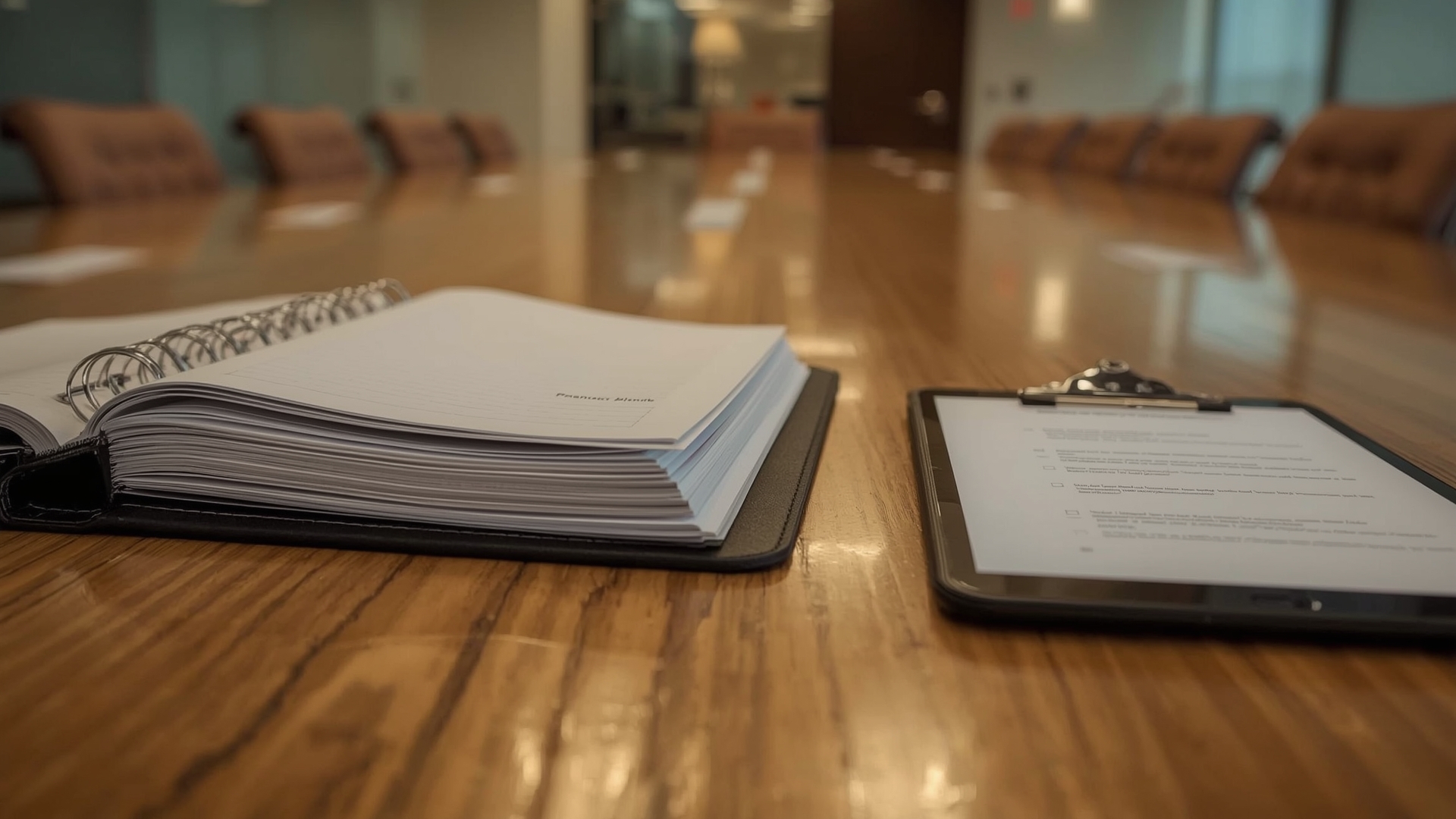
Quick Answer: A carpet maintenance log should record the date, zone cleaned, method used, cleaning chemistry and dilution ratio, technician name, drying time, and any damage or spot treatment notes. Digital logs allow photo documentation and easier vendor review.
Log documentation serves three functions. First, it proves warranty compliance. Most commercial carpet manufacturers require documented cleaning records to honor fiber warranties. Second, it tracks cleaning chemistry, so you can identify if residue buildup or resoiling patterns correlate with a specific product. Third, it creates a service history vendors can reference before each visit.
Carpet Maintenance Log Template Fields
- Date and time of service
- Zone or area ID (use your zone map reference codes)
- Service tier performed (Tier 1 through Tier 4)
- Cleaning method (vacuum, encapsulation, extraction, etc.)
- Chemistry used, including product name, pH level, and dilution ratio
- Technician name and certification level (IICRC or equivalent)
- Drying time observed or estimated
- Spot treatments applied, including location and stain type
- Damage noted, such as tears, buckling, or discoloration
- Protector applied (yes/no, product name)
Digital platforms like facility management software or even a shared spreadsheet work well. The key is consistency. Every service event, no matter how minor, should have a record.
How Do You Build a 12-Month Carpet Maintenance Calendar?
Quick Answer: Start with annual deep cleaning dates and work backward. Schedule quarterly extractions at three-month intervals, monthly interim cleanings in between, and daily vacuuming as baseline maintenance. Align deep cleaning with low-occupancy periods like holidays or weekends.
A 12-month calendar removes guesswork and prevents schedule conflicts. The most common mistake facility managers make is scheduling deep cleaning reactively, only after carpet looks visibly soiled. By that point, soil has already caused fiber abrasion that no cleaning reverses.
Sample 12-Month Schedule for a High-Traffic Commercial Facility
| Month | High-Traffic Zones | Medium-Traffic Zones | Low-Traffic Zones | Special Tasks |
|---|---|---|---|---|
| January | Daily vacuum + monthly encapsulation | 3–5x vacuum | 1–2x vacuum | Post-holiday soil assessment |
| February | Daily vacuum + hot water extraction | 3–5x vacuum + encapsulation | 1–2x vacuum | Q1 deep clean begins |
| March | Daily vacuum + monthly encapsulation | 3–5x vacuum | 1–2x vacuum | Protector inspection after Q1 extraction |
| April | Daily vacuum + monthly encapsulation | 3–5x vacuum | 1–2x vacuum | Entry mat systems cleaned or replaced |
| May | Daily vacuum + hot water extraction | 3–5x vacuum + encapsulation | 1–2x vacuum + encapsulation | Q2 deep clean, mid-year condition report |
| June | Daily vacuum + monthly encapsulation | 3–5x vacuum | 1–2x vacuum | Vendor contract review period |
| July | Daily vacuum + monthly encapsulation | 3–5x vacuum | 1–2x vacuum | Summer soil load assessment |
| August | Daily vacuum + hot water extraction | 3–5x vacuum + encapsulation | 1–2x vacuum | Q3 deep clean |
| September | Daily vacuum + monthly encapsulation | 3–5x vacuum | 1–2x vacuum | Back-to-school/return-to-office prep |
| October | Daily vacuum + monthly encapsulation | 3–5x vacuum | 1–2x vacuum + encapsulation | Pre-winter mat system installation |
| November | Daily vacuum + hot water extraction | 3–5x vacuum + encapsulation | 1–2x vacuum | Q4 deep clean, restorative cleaning for worn zones |
| December | Daily vacuum + monthly encapsulation | 3–5x vacuum | 1–2x vacuum | Year-end log audit, annual condition report |
How Do You Coordinate with Carpet Cleaning Vendors Effectively?
Quick Answer: Share your zone map, 12-month calendar, and log history with vendors before each visit. Define scope of work in writing, including which cleaning method and chemistry to use. Confirm scheduling at least two weeks in advance for quarterly or annual services.
Vendor coordination breaks down when facility managers treat each cleaning visit as a standalone event. Vendors who understand your zone priorities, floor plan, and previous service history clean more efficiently and flag problems you may not notice day-to-day.
What to Include in a Vendor Scope-of-Work Document
- Facility square footage broken down by zone
- Carpet fiber type in each zone (nylon, polyester, wool, olefin, etc.)
- Cleaning method approved for each zone
- Chemistry restrictions (pH limits, no optical brighteners, no high-alkaline products on wool)
- Areas to avoid or treat with special care (antique rugs, newly installed carpet under warranty)
- Access and security requirements (key codes, escort needed, elevator access hours)
- Expected drying protocol (air movers required, minimum drying time before area reopens)
- Post-service reporting requirements (photos, log completion, damage notification)
Questions to Ask Before Hiring a Commercial Carpet Cleaning Vendor
- Do they hold IICRC certification, specifically the Commercial Carpet Maintenance (CCM) or Commercial Cleaning Technician (CCT) designations?
- What extraction equipment do they use, and is it truck-mounted or portable?
- Can they provide a references list from comparable commercial facilities?
- Do they carry general liability insurance of at least $1 million per occurrence?
- Will they document each service in your preferred log format?
What Role Do Entry Mat Systems Play in a Maintenance Schedule?

Quick Answer: Entry mat systems capture up to 80% of soil before it reaches interior carpet. A complete mat system requires a scraper mat outside the entry, an absorbent mat inside, and regular mat cleaning built into your schedule — typically weekly for high-traffic entries.
Soil prevention is maintenance. Every pound of soil captured at the entry point is a pound that doesn’t abrade your interior carpet fibers. Facilities that invest in proper mat systems report significantly longer intervals between restorative cleanings.
A scraper mat (also called a wiper mat) uses a coarse texture to dislodge dry soil from shoe soles. The absorbent mat inside captures moisture and fine particles. Both mats need their own cleaning cycle in your schedule, or they become soil transfer devices rather than soil capture points.
Entry Mat System Specifications
| Mat Type | Placement | Recommended Pile Height | Minimum Length | Cleaning Frequency (High Traffic) | Replacement Trigger |
|---|---|---|---|---|---|
| Scraper/Wiper Mat | Exterior, outside entry door | 0.375–0.5 inches | 6 feet (3 full steps) | Weekly shake/vacuum, monthly wash | Pile compressed below 0.25 inches |
| Absorbent Interior Mat | Inside entry, immediately past door | 0.25–0.375 inches | 6–10 feet | Weekly vacuum, bi-weekly extraction | No longer absorbs moisture within 30 seconds |
| Transition Mat | Between entry mat and main carpet | 0.125–0.25 inches | 3–4 feet | Bi-weekly vacuum | Backing deteriorates or edges curl |
How Does Carpet Fiber Type Affect Your Maintenance Schedule?
Quick Answer: Nylon and polyester tolerate alkaline extractors and frequent hot water extraction. Wool requires pH-neutral or mildly acidic chemistry and lower water temperatures. Olefin resists moisture but absorbs oily soils quickly, needing more frequent interim cleaning in food-service areas.
Scheduling the wrong cleaning method for a fiber type causes permanent damage. Wool, for example, is protein-based. High-alkaline cleaners (above pH 9) break down the fiber’s cuticle layer, causing irreversible texture loss and color change. Your schedule should flag fiber type at the zone level, not just traffic level.
Carpet Fiber Maintenance Requirements by Type
| Fiber Type | pH Range for Cleaning | Max Water Temperature | Hot Water Extraction Safe? | Primary Soil Weakness | Recommended Interim Method |
|---|---|---|---|---|---|
| Nylon | pH 2–10 | 200°F | Yes | Oily soils, traffic lane darkening | Encapsulation |
| Polyester (PET) | pH 2–10 | 180°F | Yes | Oily soils, pile crushing | Encapsulation |
| Wool | pH 4.5–7.5 | 130°F | With low-moisture extraction only | Alkaline damage, shrinkage | Low-moisture dry compound |
| Olefin (Polypropylene) | pH 2–12 | 180°F | Yes | Oily soil bonding, wicking | Bonnet or encapsulation |
| Triexta (PTT) | pH 2–10 | 180°F | Yes | Traffic lane dulling | Encapsulation |
How Do You Measure Whether Your Maintenance Schedule Is Working?
Quick Answer: Track four metrics: carpet appearance rating (using the IICRC or CRI scale of 1–5), soil load before each cleaning session, frequency of spot treatments per zone, and overall carpet lifespan compared to manufacturer projections. Review these quarterly.
A schedule without measurement is just a routine. Measurement turns your schedule into a system that improves over time.
Key Performance Indicators for Carpet Maintenance Programs
- Appearance Rating: Score carpet on a 1–5 scale before and after each cleaning. A rating below 3 in high-traffic zones between scheduled cleanings suggests you need shorter intervals.
- Spot Treatment Rate: Track how many spot treatments are applied per 1,000 square feet per month. An increasing rate signals that your interim cleaning schedule isn’t keeping pace with soil load.
- Drying Time Compliance: Log actual drying times after each extraction. Consistently long drying times (over 12 hours) may indicate over-wetting or inadequate airflow equipment, both of which raise mold risk.
- Warranty Status: Review your carpet manufacturer’s maintenance requirements annually. Confirm your documented schedule meets or exceeds their minimum standards to keep warranties valid.
- Replacement Rate: Track square footage replaced each year. Facilities with active maintenance programs typically replace less than 3% of carpet annually. Higher replacement rates signal a scheduling gap.
What Are the Most Common Commercial Carpet Maintenance Schedule Mistakes?
Quick Answer: The five most common mistakes are: applying one frequency across all zones, skipping interim cleaning between extractions, failing to document services, using incompatible chemistry on wool or delicate fibers, and scheduling deep cleaning only when carpet looks visibly dirty.
Each of these mistakes accelerates fiber wear and shortens carpet life. The most expensive is skipping interim cleaning. Without it, soil accumulates in the upper fiber layer between quarterly extractions. That soil acts as an abrasive that degrades fiber with every step, permanently reducing pile density.
The second most costly mistake is reactive scheduling. By the time carpet looks visibly soiled, the fiber has already sustained abrasive damage. Appearance-based scheduling costs more in the long run because it allows preventable wear before any cleaning occurs.
Frequently Asked Questions
How long does a commercial carpet typically last with a proper maintenance schedule?
With consistent zone-based maintenance, commercial nylon carpet in moderate-traffic areas typically lasts 10 to 15 years. High-traffic areas may reach 7 to 10 years with quarterly extractions and monthly interim cleaning. Without a schedule, the same carpet often requires replacement in 5 to 7 years.
Can encapsulation cleaning replace hot water extraction in a schedule?
Encapsulation is a strong interim cleaning method, but it doesn’t replace periodic hot water extraction. Encapsulation cleans the upper fiber layer and encapsulates dry soil for vacuuming, but it doesn’t flush deep soil, bacteria, or detergent residue from the fiber base. Most schedules use both methods together.
How does carpet protector fit into a maintenance schedule?
Carpet protector (fluoropolymer-based) should be reapplied after every hot water extraction service. It creates a barrier that slows soil penetration and makes spot treatment more effective. Without reapplication after extraction, unprotected fibers absorb soils faster, increasing the interim cleaning burden.
Do commercial carpet warranties require a specific cleaning schedule?
Yes. Most major commercial carpet manufacturers, including Shaw Contract and Mohawk Group, require documented cleaning records that meet minimum frequency standards. These typically require hot water extraction at least once per year and prohibit certain chemical types. Always request the specific maintenance requirements from your carpet manufacturer before building your schedule.
What is the IICRC’s role in commercial carpet maintenance standards?
The IICRC (Institute of Inspection, Cleaning and Restoration Certification) publishes the S100 standard, which is the industry reference for commercial carpet cleaning methods, chemistry compatibility, and technician training. Hiring IICRC-certified vendors ensures your maintenance program follows recognized best practices.
How do seasonal changes affect a commercial carpet maintenance schedule?
Winter months increase soil load at entries due to road salt, sand, and moisture tracked indoors. Summer brings increased foot traffic in some facilities. Adjust your schedule seasonally by adding extra mat cleaning in winter months and shifting some interim cleaning sessions to align with peak-traffic seasons. Review your schedule quarterly rather than setting it once annually.